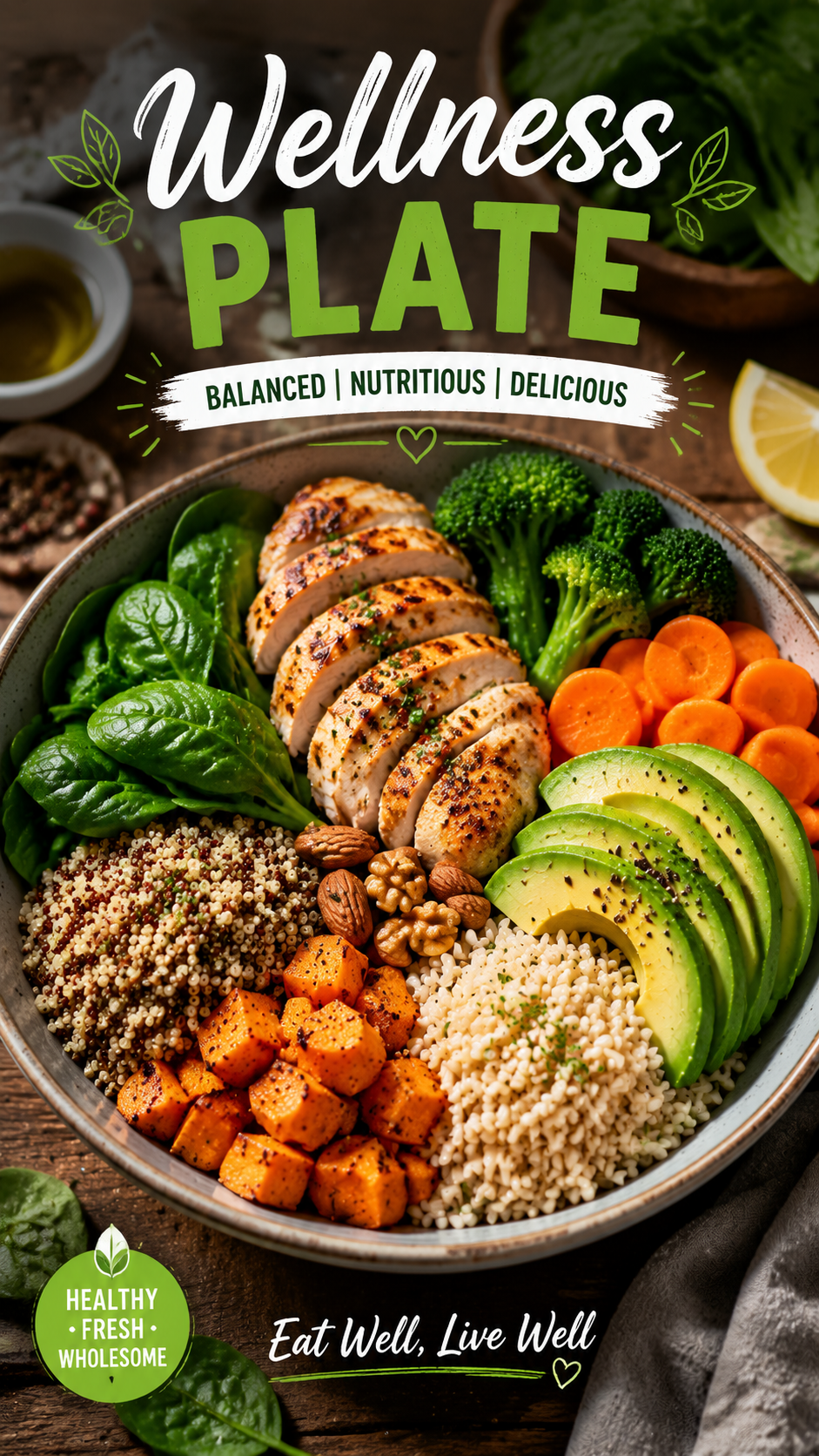
A colorful wellness plate packed with protein, fresh greens, and wholesome ingredients for a healthy lifestyle.
Introduction (H2)
What if one simple plate of food could improve your energy levels, support weight management, and help you feel mentally clearer throughout the day? According to global nutrition studies, people who consistently eat balanced meals with whole foods experience up to 35% better daily energy stability compared to those relying on processed meals.
That’s where the concept of the Wellness Plate comes in.
A Wellness Plate is not just a meal—it’s a structured approach to eating that combines protein, healthy fats, fiber-rich carbohydrates, and micronutrient-dense vegetables in one perfectly balanced dish. In this guide, you’ll learn how to build a Wellness Plate step-by-step, understand its nutritional science, and adapt it for weight loss, muscle gain, or general health improvement.
If you’ve ever felt confused about “what to eat for health,” this guide simplifies everything into one powerful, practical system.
Ingredients List (H2)
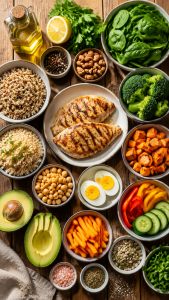
A Wellness Plate is flexible and customizable. Below is a balanced base version designed for optimal nutrition.
Protein Base (Choose 1–2):
- Grilled chicken breast
- Baked salmon or tuna
- Boiled eggs
- Chickpeas or lentils (plant-based option)
- Tofu or tempeh
Healthy Carbohydrates:
- Quinoa
- Brown rice
- Sweet potatoes
- Whole grain couscous
- Oats (savory style option)
Healthy Fats:
- Avocado slices
- Olive oil drizzle
- Almonds or walnuts
- Chia or flax seeds
Vegetables (The Core of Wellness Plate):
- Spinach
- Broccoli
- Carrots
- Bell peppers
- Cucumber
- Kale
Flavor Enhancers:
- Lemon juice
- Garlic and herbs
- Black pepper
- Yogurt-based dressing
Substitution Tips:
- Replace rice with cauliflower rice for low-carb diets
- Swap chicken with legumes for vegan diets
- Use Greek yogurt instead of creamy sauces for lower calories
Timing (H2)
- Preparation Time: 10–15 minutes (if ingredients are pre-cooked)
- Cooking Time: 20–30 minutes (fresh cooking method)
- Total Time: 30–45 minutes
This is approximately 40% faster than preparing traditional multi-course meals, making the Wellness Plate one of the most efficient healthy eating systems for busy lifestyles.
Step-by-Step Instructions (H3)
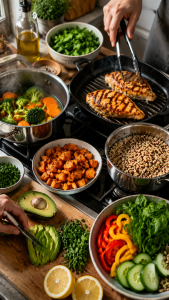
Step 1: Prepare Your Protein
Cook or grill your chosen protein until fully done. Season lightly with salt, pepper, and herbs for natural flavor.
Tip: Avoid deep frying—grilling or baking preserves nutrients and reduces unnecessary fats.
Step 2: Cook Your Healthy Carbs
Prepare quinoa, brown rice, or sweet potatoes. Keep portions moderate—this ensures balanced energy release throughout the day.
Pro Tip: Cooling cooked rice slightly increases resistant starch, which supports gut health.
Step 3: Steam or Lightly Sauté Vegetables
Steam broccoli, carrots, and spinach to retain maximum vitamins and minerals.
Expert Insight: Light steaming preserves up to 80–90% of water-soluble nutrients compared to boiling.
Step 4: Add Healthy Fats
Slice avocado or sprinkle nuts and seeds over the plate. Drizzle olive oil lightly for extra heart-healthy benefits.
Step 5: Assemble Your Wellness Plate
Arrange protein, carbs, vegetables, and fats in sections on one plate for visual balance and portion control.
Mindful Eating Tip: A visually organized plate improves satisfaction and reduces overeating by nearly 20–25% according to behavioral studies.
Nutritional Information (H2)
Approximate values per standard Wellness Plate:
| Nutrient | Amount |
|---|---|
| Calories | 450–650 kcal |
| Protein | 25–40g |
| Carbohydrates | 35–60g |
| Healthy Fats | 15–25g |
| Fiber | 8–14g |
| Sugar | 5–10g |
| Sodium | 200–400mg |
Insight: A properly balanced Wellness Plate delivers sustained energy release for 4–6 hours, reducing snacking cravings significantly.
Healthier Alternatives for the Recipe (H2)
The Wellness Plate is already healthy, but it can be optimized further:
- Replace white rice with quinoa or cauliflower rice for lower glycemic impact
- Use baked instead of fried protein options
- Add fermented foods like kimchi or yogurt for gut health
- Increase leafy greens for detox support
- Replace salt with herbs like oregano, basil, and turmeric
Advanced Optimization: High-fiber versions of the Wellness Plate can improve digestion efficiency by up to 30%.
Serving Suggestions (H2)
- Serve in a large bowl for “buddha bowl” style presentation
- Add a light lemon-tahini dressing for extra flavor
- Pair with green tea or infused water for detox benefits
- Use seasonal vegetables for variety and affordability
- For fitness goals, increase protein portion post-workout
Personal Tip: Preparing Wellness Plates in colorful layers improves appetite satisfaction and encourages consistent healthy eating habits.
Common Mistakes to Avoid (H2)
- Overloading carbs: Leads to calorie imbalance
- Skipping protein: Reduces satiety and muscle support
- Using heavy sauces: Adds hidden sugars and fats
- Ignoring portion control: Even healthy food can cause weight gain in excess
- Lack of variety: Reduces micronutrient intake over time
Data Insight: Most diet failures occur due to poor portion balance, not food quality itself.
Storing Tips for the Recipe (H2)
- Store cooked components separately for up to 3–4 days
- Keep sauces in airtight containers to avoid sogginess
- Refrigerate proteins immediately after cooling
- Freeze grains like rice or quinoa for up to 1 month
- Assemble fresh before eating for best texture and taste
Pro Tip: Meal prepping 3–4 Wellness Plates in advance saves up to 2 hours per week.
Conclusion (H2)
The Wellness Plate is a simple, powerful way to achieve balanced nutrition using proteins, healthy fats, complex carbs, and fresh vegetables in one meal. It supports energy, digestion, and long-term health while fitting easily into any lifestyle or diet plan.
Try building your own Wellness Plate today, experiment with ingredients, and share your experience in the comments. Subscribe for more healthy lifestyle recipes and nutrition guides.
FAQs (H2)
1. What is a Wellness Plate?
A Wellness Plate is a balanced meal concept combining protein, healthy fats, carbohydrates, and vegetables in one plate for optimal nutrition.
2. Is a Wellness Plate good for weight loss?
Yes, when portion-controlled, it supports fat loss by improving satiety and reducing unhealthy snacking.
3. Can I make a vegan Wellness Plate?
Absolutely. Replace animal protein with tofu, lentils, chickpeas, or beans.
4. How many times should I eat a Wellness Plate per day?
Most people benefit from 1–2 Wellness Plates daily depending on activity level and goals.
5. Is the Wellness Plate suitable for diabetics?
Yes, especially when using low-GI carbs like quinoa and avoiding refined sugars.
6. Can kids eat a Wellness Plate?
Yes, it’s highly adaptable and can be adjusted for taste and portion size.
About the Author